
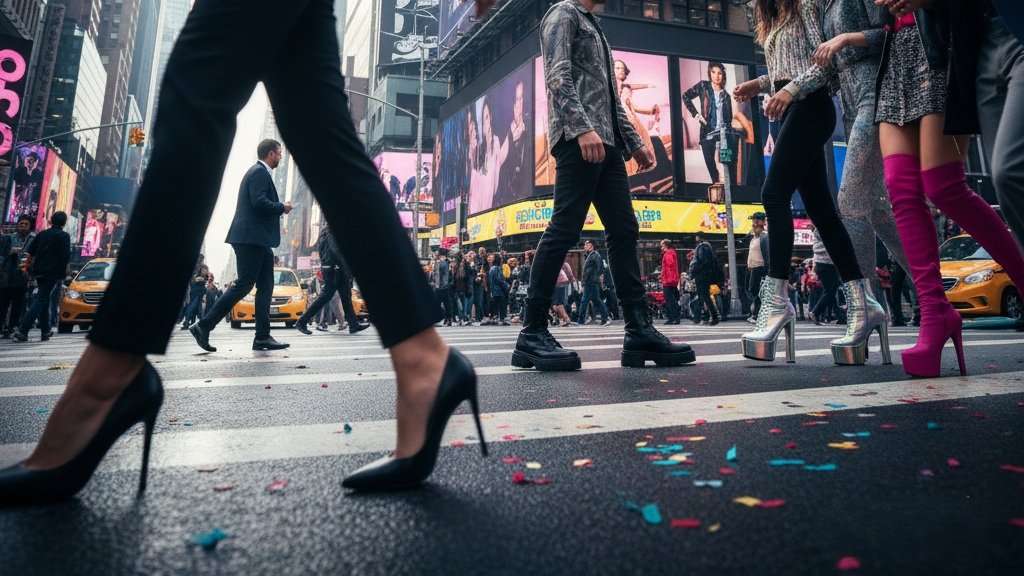
High heels are far more than just footwear; they are cultural artifacts, sartorial statements, and potent symbols that have permeated and shaped modern society in profound ways. From their origins as practical riding boots for Persian horsemen to their current status as icons of glamour, power, and often, controversy, high heels reflect and influence perceptions of gender, status, fashion, and even body image. Their journey through history has solidified their place not just in wardrobes, but in the very fabric of contemporary culture.
A Symbol of Status and Power: Historically, high heels were adopted by European aristocracy in the 17th century as a marker of wealth and distinction, signifying that the wearer did not engage in manual labor. This association with elevated status has persisted, albeit in different forms. In modern culture, a woman in high heels often projects an image of professionalism, ambition, and confidence. In corporate settings, high heels can be seen as a power dressing tool, asserting presence and authority. This psychological boost is a significant aspect of their cultural influence, empowering individuals to feel more commanding in various social and professional arenas.
Shaping Perceptions of Femininity and Sexuality: Perhaps the most potent and debated influence of high heels lies in their connection to femininity and sexuality. They alter a woman’s gait, causing the hips to sway more and the calves to flex, which is often perceived as a more alluring posture. This has made them central to traditional notions of female attractiveness and sensuality in media, advertising, and popular culture. From the iconic red soles of Christian Louboutin to the glamorous depictions in films and television, high heels are frequently presented as instruments of allure, a key component of a “feminine” ideal. This influence, however, also sparks discussions about societal pressures and the objectification of women, leading to ongoing cultural debates about choice versus expectation.
The Fashion Industry’s Enduring Muse: High heels are an inexhaustible source of inspiration for designers, driving trends and defining eras. From the platform disco heels of the 70s to the minimalist stilettos of the 90s and the architectural wonders of today, heels are constantly reinvented. They are central to runway shows, fashion magazines, and celebrity red carpets, shaping what is considered chic and desirable. The demand for novel designs, innovative materials, and ever-higher (or surprisingly comfortable) styles fuels a multi-billion dollar industry, demonstrating their unwavering importance in the fashion ecosystem.
Impact on Body Image and Health Debates: The cultural prevalence of high heels also brings to light discussions about body image and health. While they can make legs appear longer and leaner, boosting confidence, the physical discomfort and potential long-term health issues associated with prolonged wear are widely acknowledged. This has led to a growing counter-movement, particularly fueled by the push for comfort during and after the pandemic, where flat shoes and sneakers are championed as equally fashionable and empowering. This shift reflects a cultural move towards prioritizing well-being and personal comfort over rigid beauty standards, prompting a re-evaluation of high heels’ role in daily life.
Beyond Gender: While predominantly associated with women’s fashion, high heels also subtly influence broader cultural conversations around gender expression. Historically worn by men, their re-emergence in certain avant-garde or gender-fluid fashion contexts challenges traditional norms and expands perceptions of who “should” wear heels, contributing to a more inclusive and diverse fashion landscape.
In conclusion, high heels are far from a mere accessory; they are a deep-rooted cultural phenomenon. They continue to influence how we perceive status, femininity, fashion, and even our own bodies. As society evolves, so too does the narrative surrounding high heels, reflecting ongoing dialogues about empowerment, comfort, and the ever-changing definition of modern style.


 by
by 

